We don't give you generic rest advice. We use force plate testing, 3D motion capture and quick private MRI referral to build your rehab around measured data, then test you before each step back to sport.
Rehab stages, each with a measured test before you move on
From booking to your triage appointment
Force plate sampling rate for jump and landing tests
Example figures for non-surgical cases. Your plan and timeline come from your own assessment.
Pick a phase to see what we test before you move on. Timings are typical for a non-surgical knee injury and vary from person to person.
GameReady cryo-compression to control swelling, a diagnostic ultrasound scan to confirm what is damaged, and protected movement to keep the joint working.
The same kind of testing kit used in professional sport, open to anyone with an injury:
Takes the guesswork out of return-to-sport testing. Our dual force plates record ground reaction forces 1,000 times a second and show left-to-right differences in braking, landing and rate of force development (RFD).
Focused acoustic shockwaves for long-standing tendon problems, such as calcific tendinopathy and plantar fasciitis, that have not settled with rehab alone.
Air pressure takes weight off your legs, so you can run at as little as 20% of your body weight and keep your fitness up after surgery.
No long wait for a scan. We ultrasound-scan the injury during your assessment and, if you need an MRI, refer you to a partner 3T scanner the same day.
You see a senior clinician from your first appointment, not a junior who passes you on.
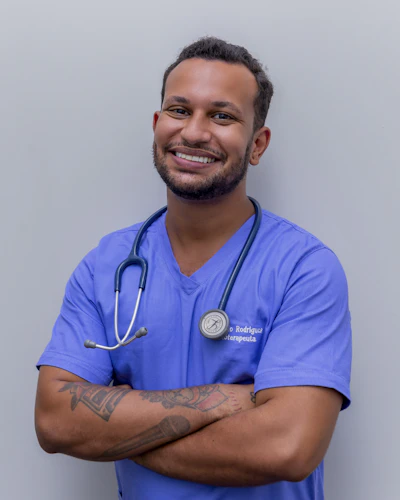
MBChB MSc SEM FFSEM. Former team doctor in professional athletics and rugby. Specialises in ultrasound-guided injections and complex joint injuries.

PhD Biomechanics, HCPC-registered sports physio. Runs the motion lab and leads our rehab programme after ACL reconstruction.